
Why Niche Delivery Platforms Are Changing UK Food Culture
The Rise of Niche Food Delivery Platforms in the UK
The UK food scene has changed dramatically over the past decade. What was once dominated by a handful of mainstream delivery apps has begun to open up, creating space for more focused and culturally rooted platforms.
People are no longer satisfied with convenience alone. They want meaning, connection, and food that reflects real traditions. This shift has created growing demand for authentic African meals in the UK, driven by diners seeking flavours that feel familiar, respectful, and true to their origins.
Niche food delivery platforms do more than move meals from kitchens to doorsteps. They protect culinary heritage, support small food businesses, and quietly reshape UK food culture from the ground up.
The Limitations of the “One-Size-Fits-All” Delivery Model
Major food delivery platforms once revolutionised convenience, giving users access to hundreds of restaurants with a few taps. However, this model comes with clear limitations, especially for culturally specific cuisines.
Authentic family-run kitchens are often buried beneath fast-food chains and generic listings. Algorithms prioritise popularity over authenticity, making discovery difficult for truly traditional food.
There is also a knowledge gap. Mainstream platforms rarely explain what dishes like egusi soup, jollof rice, or fufu represent. Without cultural context, curious diners may feel unsure or disconnected.
This reduces rich culinary traditions to simple transactions, stripping away the stories, history, and identity behind the food.
The Power of Niche Platforms: Specialisation as Strength
Niche platforms such as ChopNow African food delivery turn these weaknesses into strengths by focusing entirely on specialisation.
Instead of overwhelming users with endless choices, they offer carefully curated selections. Every cook or restaurant is chosen for authenticity and quality, creating immediate trust.
These platforms also provide cultural context. Menus often explain dishes, origins, and pairings, while blogs and content celebrate heritage. Ordering food becomes both an experience and an education.
Community is central to this approach. By highlighting chef stories and cultural celebrations, niche platforms build loyalty that goes far beyond discounts.
Empowering Culinary Entrepreneurs and Preserving Authenticity
Niche delivery platforms have a significant impact on chefs, home cooks, and small restaurant owners. On large platforms, independent cooks often compete unfairly with heavily marketed chains.
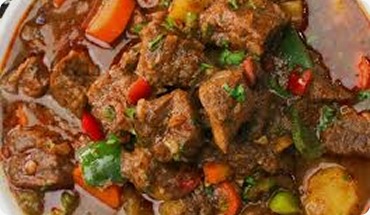
Dedicated platforms create a level playing field. A cook’s authentic family-recipe pepper soup becomes the main attraction, not a footnote.
Many platforms also offer better partnership terms and tools designed for smaller operations. This empowers underrepresented entrepreneurs to turn their passion into sustainable businesses.
By supporting traditional recipes and cooking methods, these platforms help preserve authentic African meals in the UK for future generations.
The Consumer Shift Toward Meaningful Food Choices
Modern diners are more curious, culturally aware, and ethically minded. They value transparency, authenticity, and connection over speed alone.
People want to know who made their food, where it comes from, and what story it carries. Ordering from a niche platform feels intentional rather than automatic.
Instead of passive consumption, diners become active participants in culinary exploration, supporting real people and living cultures.
Representation, Ownership, and Economic Impact
Niche food platforms also play an important role in representation. For cuisines historically underrepresented in mainstream food services, these platforms provide visibility and control.
A black-owned food delivery platform in the UK focused on African and Caribbean cuisine ensures that economic benefits flow back into the communities that create the food.
This model promotes a more equitable food economy and challenges traditional gatekeepers, allowing diverse culinary voices to thrive.
The Future of UK Food Culture
The success of niche delivery platforms reflects a broader shift toward thoughtful consumption in the UK. Quality, story, and origin are becoming just as important as convenience.
For customers, this means richer, more authentic food experiences. For entrepreneurs, it offers recognition and sustainable growth.
As specialisation continues to grow, the future of food delivery will be defined not by one giant menu, but by many focused platforms serving passionate communities.
Authentic African Meals in the UK: More Than Just Delivery
The move from generic delivery giants to niche platforms marks a cultural shift in how food is valued. Meals are no longer treated as commodities but as expressions of history, identity, and skill.
By delivering both food and its cultural context, these platforms honour the journeys recipes have taken across generations.
In doing so, they don’t just change how dinner arrives at the door — they enrich the cultural fabric of the UK, one authentic meal at a time.