
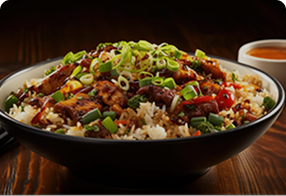
Celebrating Carnival on a Plate: The Colourful Food Traditions of Notting Hill
Food, Culture, and Celebration at Notting Hill Carnival
Every summer, Notting Hill becomes a living canvas of colour, rhythm, and history. The streets fill with music, movement, and stories carried through generations. While the sound systems and costumes often steal the spotlight, there is another powerful storyteller weaving through the crowds: food.
Carnival food is not just fuel for the day. It is memory, identity, and celebration served on a plate. For many, this is where Caribbean food UK takes on its deepest meaning. These dishes represent resilience, joy, and the blending of cultures that define modern Britain.
From smoky grills lining the streets to home-style recipes passed down quietly within families, Carnival cuisine connects people across backgrounds. Whether you grew up with these flavours or are discovering them for the first time, the food of Notting Hill Carnival offers a shared language, spoken through spice, texture, and warmth.
Notting Hill Carnival: A Cultural Feast
Notting Hill Carnival began as a response to hardship and exclusion. Over time, it grew into one of Europe’s largest street festivals, rooted in Caribbean heritage and shaped by the British experience.
Food has always played a central role in this story. In Caribbean culture, cooking is an act of care and community. At Carnival, enjoy traditional Nigerian dishes in UK. Meals are prepared outdoors, shared openly, and enjoyed together.
The smells of jerk seasoning, slow-cooked stews, and fried dough drift through the streets, drawing people in without invitation. You do not need a ticket or a background in Caribbean history to take part. You simply follow the aroma.
This openness is what makes Carnival food so powerful. It turns celebration into participation.
The Role of Food In Carnival Identity
Carnival food is not designed for perfection. It is designed for feeling. Recipes are bold, generous, and layered. Each dish tells a story of migration, adaptation, and survival.
Many of these foods were shaped by necessity. Ingredients were substituted, methods adjusted, and flavours intensified to preserve identity in new environments. Over time, these adaptations became traditions of their own.
Today, the food at Notting Hill Carnival reflects both Caribbean roots and London’s multicultural energy. You might find classic island dishes prepared alongside influences from West Africa, blending histories on a single plate.
This is not fusion for novelty’s sake. It is lived experience expressed through cooking.
Caribbean food UK and The Spirit of Carnival
In the UK, Caribbean cuisine has long been part of everyday life, but Carnival enhances it. The food becomes symbolic, representing pride and visibility.
During Carnival, Caribbean dishes are not tucked away in restaurants or homes. They take centre stage. This visibility matters. It challenges old stereotypes and invites wider appreciation.
The popularity of African restaurant in London during Carnival shows how food can reshape cultural understanding. People who may never have stepped into a Caribbean kitchen suddenly find themselves enjoying flavours that feel both new and familiar.
This moment of connection often lingers long after the music fades.
Street Food As A Cultural Bridge
Street food is the heart of Carnival dining. It is immediate, communal, and expressive.
Vendors cook in large quantities, often using techniques passed down through generations. The food is meant to be eaten standing up, shared with friends, and enjoyed without ceremony.
This informality creates space for conversation. Strangers talk. Laughter flows. Food becomes a bridge between cultures rather than a divider.
In London, this openness has helped Caribbean cuisine gain broader respect. It has also influenced how people explore other cultural foods beyond Carnival.
London’s Wider Food Landscape
The impact of Carnival food extends beyond Notting Hill. Across the city, people seek out flavours they first encountered at the festival.
Many turn to neighbourhood spots and community kitchens to relive that experience. This has helped support small businesses, including the rise of well-regarded Caribbean restaurant London locations that honour tradition while serving modern diners.
At the same time, interest in African cuisines has grown alongside Caribbean food. London’s diverse population has encouraged cross-cultural appreciation, leading many to explore both Caribbean and African culinary traditions with equal curiosity.
This shared journey has strengthened the city’s food culture as a whole.
African and Caribbean Culinary Connections
Caribbean food cannot be fully understood without acknowledging its African roots. Many ingredients, cooking methods, and flavour profiles trace back to West Africa.
This connection is visible in the growing presence of the African restaurant London scene, where diners recognise familiar spices and techniques echoed across continents.
Dishes from both cultures often share themes of slow cooking, communal eating, and bold seasoning. These similarities create a natural dialogue between cuisines.
At Carnival, this dialogue becomes especially clear. The food reflects a shared heritage shaped by history and movement, not boundaries.
Beyond The Streets: Food As Memory
For many families, Carnival food is deeply personal. Recipes are tied to childhood, grandparents, and Sunday gatherings.
Preparing food for Carnival is often a ritual. It involves planning, patience, and pride. Even when dishes are sold publicly, they carry private meaning.
This emotional weight is part of what makes Carnival food so memorable. It is not just about taste. It is about belonging.
As younger generations reconnect with their roots, food becomes a way to preserve identity while adapting to modern life.
Nigerian Influence Within Carnival Cuisine
West African flavours, especially Nigerian, have increasingly shaped London’s food scene. This influence is visible during Carnival, where dishes inspired by traditional Nigerian dishes UK appear alongside Caribbean classics.
These foods add depth to the Carnival table, reflecting the shared history between African and Caribbean communities. The spices, textures, and cooking styles complement each other naturally.
For many Londoners, Carnival becomes a gateway to exploring Nigerian cuisine more deeply. It sparks curiosity that continues throughout the year.
This exchange enriches both cultures without diluting either.
Food, Pride, And Representation
Visibility matters. When cultural food is celebrated publicly, it sends a message of acceptance and respect.
Carnival offers that visibility in abundance. The food tells stories that are often overlooked elsewhere. It challenges assumptions and invites appreciation.
The growing popularity of Caribbean food in UK shows how London’s food culture is becoming more inclusive.
This inclusivity is not accidental. It is built through years of community effort, shared spaces, and mutual respect.
Food is simply the most delicious expression of that work.
Carrying Carnival Beyond The Streets
Notting Hill Carnival may last a weekend, but its food traditions live on year-round. They influence how people eat, connect, and understand one another.
The celebration of Caribbean food UK during Carnival reminds us that food is more than taste. It is history served with care, culture shared openly, and identity expressed without apology.
As interest in authentic, community-led food continues to grow, platforms like ChopNow quietly help extend the Carnival spirit beyond the streets, making these flavours accessible while respecting their roots.
Long after the music stops, the food keeps speaking. And London keeps listening.